

Let’s be honest. Shopping for a loan can feel like shouting into a void. You fill out the same forms, hand over the same documents, and wait… only to get a generic, one-size-fits-all offer that may or may not actually fit your life. It’s frustrating. But what if the process could understand you? What if it could see your full financial picture—the good, the steady, the complicated—and respond with something tailored, something… fair?
Well, that’s precisely where we’re headed. The collision of open banking, secure data sharing, and smart algorithms is quietly dismantling the old loan factory. It’s building something new in its place: a landscape of hyper-personalized loan offers. This isn’t just a tech upgrade. It’s a fundamental shift in the relationship between borrowers and lenders.
Untangling the Trio: What These Terms Really Mean
Before we dive in, let’s clear the air on the jargon. These terms get tossed around a lot, but they’re distinct pieces of the same puzzle.
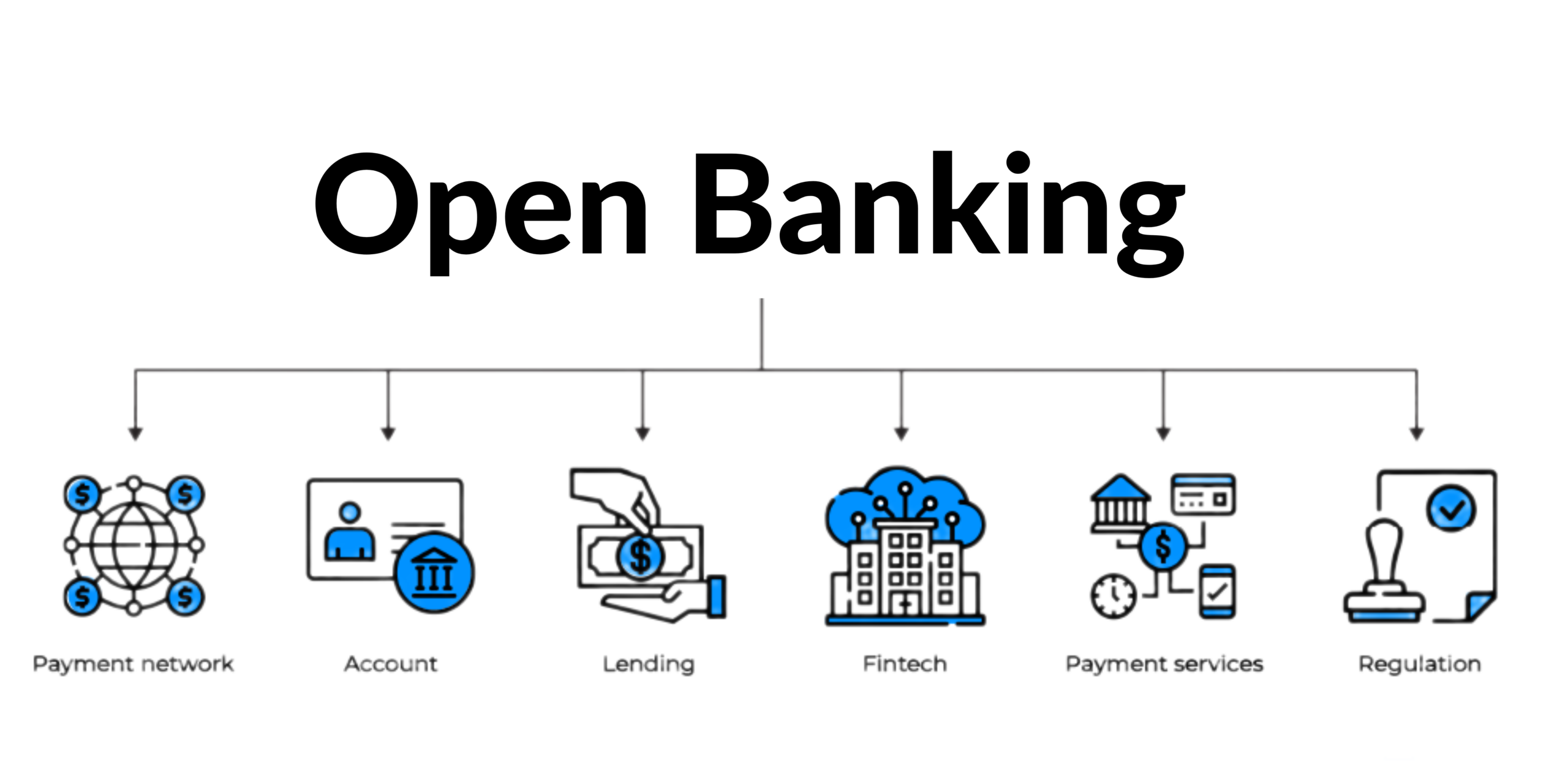
Open Banking: The Rulebook for Sharing
Think of open banking as the secure plumbing and regulations that make modern data sharing possible. It’s a framework—often driven by government policy—that requires banks to safely share your financial data with third-party providers if you give permission. You hold the keys. It turns your financial history from a locked file cabinet into a portable, usable asset.
Data Sharing: The Actual Action
This is the act itself. With your explicit consent, you can allow a lender or a financial app to access specific data from your bank accounts, credit cards, and even investment platforms. We’re talking real-time income, spending habits, cash flow, and regular bills—not just a static credit score snapshot.
Personalized Loan Offers: The Outcome
This is the prize. By analyzing your shared data, lenders can craft offers that reflect your actual financial behavior. It moves beyond “you have a 720 score” to “you consistently earn X, save Y, and your subscription payments are rock-solid.” The result? Loans with rates, terms, and amounts that feel like they were built for you.
How the Magic Happens: From Your Data to Your Offer
So, how does this all connect in practice? The process is more straightforward—and secure—than you might think.
First, you initiate the process, maybe on a lender’s website or a financial comparison app. You’ll be asked to connect your bank accounts via a secure API (that’s the open banking tech in action). This isn’t handing over your login password; it’s creating a temporary, read-only bridge. You decide what’s shared and for how long.
Next, the lender’s algorithms get to work. They’re not just looking for red flags; they’re searching for green lights—positive signals your credit report might miss.
- Cash Flow Analysis: They see your consistent salary deposits and how you manage money throughout the month. Steady, positive cash flow is a huge plus.
- True Expense Picture: They understand your real cost of living—rent, utilities, groceries, subscriptions—which gives a far more accurate debt-to-income ratio.
- Positive Financial Habits: Do you round up savings? Pay bills early? These micro-habits can signal responsibility.
Finally, the lender uses this holistic profile to price your risk uniquely. You’re no longer just a score in a bucket. This is where personalized loan offers truly come to life.
The Real-World Impact: Winners, Worries, and What’s Next
This shift creates some clear winners. For borrowers with “thin” credit files—like young adults or new immigrants—it’s a game changer. They can prove creditworthiness through behavior, not history. For people with decent scores but unique income patterns (freelancers, gig workers, entrepreneurs), it’s a lifeline. Their bank statements tell a story of resilience a traditional report can’t.
But, you know, it’s not all sunshine. Legitimate concerns about data privacy and security top the list. The entire model hinges on trust and robust regulation. And there’s a risk of “hyper-personalization” leading to unfair pricing if not carefully monitored. That said, the transparency can actually cut both ways, potentially exposing biases in older models.
Let’s look at the tangible differences this makes.
| Traditional Loan Assessment | Open Banking-Powered Assessment |
| Relies primarily on credit score & reported debt. | Analyzes real-time income, cash flow, & spending. |
| Static snapshot from one moment in time. | Dynamic view of ongoing financial behavior. |
| Can penalize non-traditional income. | Can validate stable gig or freelance income. |
| Offers are standardized by risk “buckets.” | Offers can be tailored to individual cash flow patterns. |
A Glimpse at the Future (And Some Lingering Questions)
Where is this all going? Honestly, we’re just at the beginning. We’ll likely see the rise of “contextual” lending—where loan offers are embedded at the point of need. Imagine financing a car and the dealership, with your permission, instantly generates pre-approved terms based on your shared data, not a hard credit pull.
Subscription-style loans or dynamic repayment plans that flex with your cash flow could become normal. The very definition of collateral might expand to include your financial data footprint itself.
But the path forward hinges on a few things. Widespread consumer education is crucial—people need to understand the value they’re exchanging. Regulation must evolve to ensure a fair, secure, and competitive ecosystem. And perhaps most importantly, the industry must build and maintain trust. Every data breach or misuse story sets this progress back.
The intersection of open banking and personalized lending isn’t just about faster loans or slightly better rates. It’s about recognition. It’s the financial system beginning to see individuals in full color—with all their unique patterns, strengths, and complexities—instead of a fuzzy black-and-white photocopy. That’s a revolution worth paying attention to.