

Let’s be honest. The phrase “on-chain data analysis” sounds intimidating. It conjures images of complex code, endless spreadsheets, and developer-only tools. But here’s the deal: you don’t need to be a coder to understand the story the blockchain is telling. In fact, the narrative is all there, written in public transactions, waiting for anyone to read it.
Think of a blockchain like a massive, open ledger in a town square. Every transaction, every swap, every NFT mint is recorded for everyone to see. On-chain analysis is simply the art of walking up to that ledger, squinting at the entries, and figuring out what’s really going on. It’s about moving beyond headlines and hype to see what actual money and users are doing. And that’s a superpower anyone can learn.
Forget the Code, Focus on the Story
First, let’s clear the air. You won’t be writing SQL queries or Python scripts. Practical on-chain analysis for non-developers is about using intuitive, visual tools that do the heavy lifting for you. It’s about asking the right questions and knowing where to look for answers.
So, what kind of stories can you uncover? Well, you can spot if a project’s growth is organic or fabricated. See if large investors (often called “whales”) are accumulating or dumping tokens. Gauge genuine user adoption versus mere speculation. It’s like having a financial detective kit for the crypto world.
Your Starter Toolkit: No Programming Required
Alright, let’s dive in. Here are the types of user-friendly platforms that will be your best friends. Honestly, they’ve changed the game.
1. Blockchain Explorers (Your Base Layer)
Start with explorers like Etherscan for Ethereum or Solscan for Solana. They’re the direct window into the ledger. You can look up any wallet address, transaction hash, or token contract.
What to do here: Paste a project’s token contract address (find it on their official site) into the search bar. You’ll see the token’s total supply, number of holders, and all transactions. Click on “Holders” to see distribution. Is one wallet holding 40%? That’s a centralization risk. It’s a simple, powerful first check.
2. Dedicated Analytics Dashboards (The Power Tools)
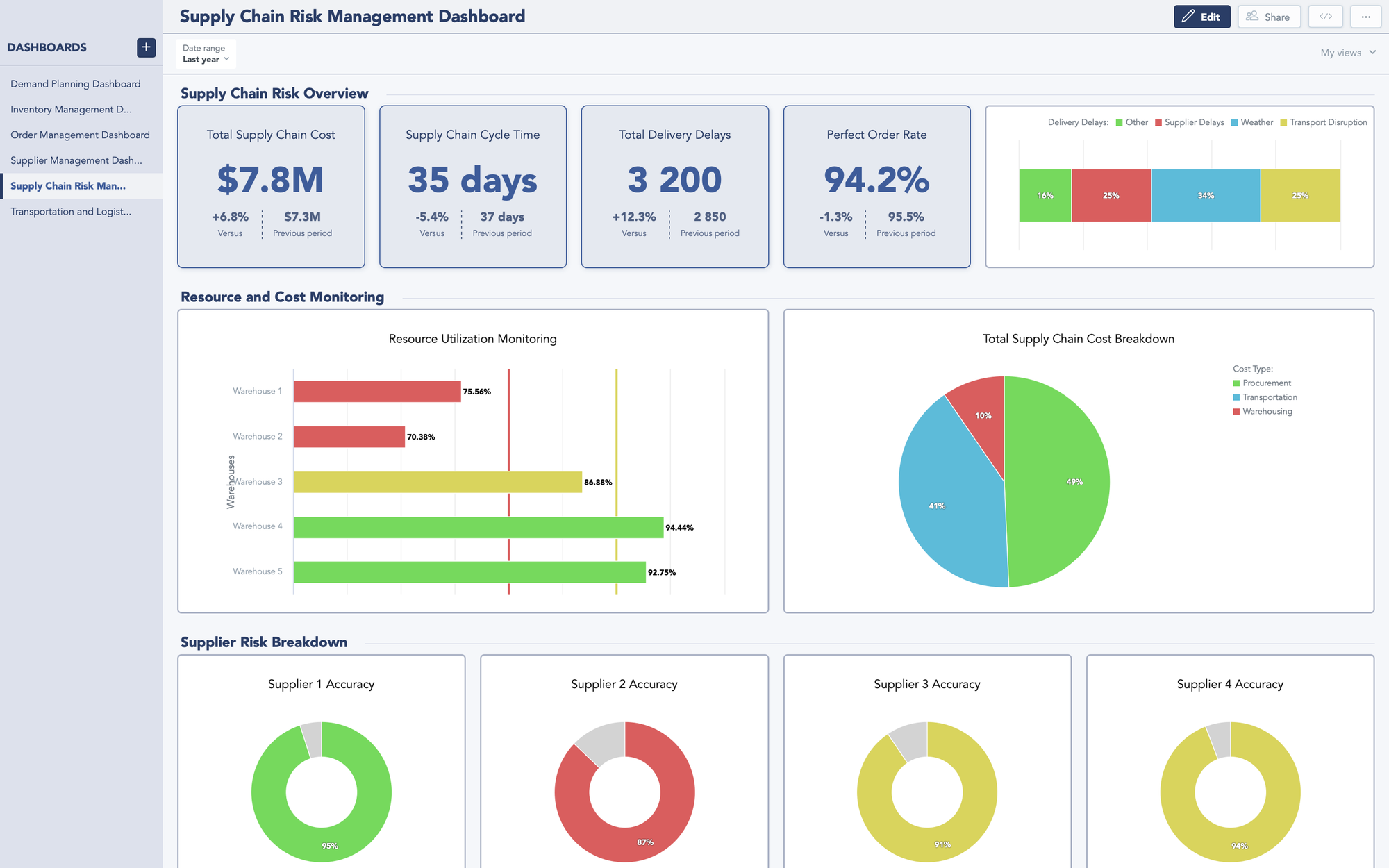
This is where the magic happens for non-developers. Platforms like Nansen, Dune Analytics, and DeFi Llama turn raw data into beautiful, interpretable charts.
Dune, for instance, has thousands of community-created “dashboards.” You don’t build them; you use them. Search for a project name, and you’ll likely find a dashboard tracking everything from daily active users to revenue generated. Nansen labels wallets (e.g., “Smart Money,” “CEX Whale”) so you can follow what the pros are doing.
Key Metrics That Actually Matter
Faced with a dashboard full of charts, focus on these few, powerful metrics. They cut through the noise.
| Metric | What It Tells You | Why It’s Useful |
| Active Addresses | Number of unique addresses interacting with a protocol. | Measures real user activity, not just price speculation. |
| Total Value Locked (TVL) | Total capital deposited in a DeFi protocol. | Indicates trust and utility. A rising TVL often signals health. |
| Exchange Netflow | Difference between tokens flowing into and out of exchanges. | Negative netflow (leaving exchanges) suggests accumulation. Positive suggests selling pressure. |
| Whale Transaction Alerts | Large, unusual moves by big holders. | Early signal of major sentiment shifts. |
Look, you don’t need to track all of these at once. Pick one or two that resonate with your goal. Are you evaluating a DeFi project? TVL and active addresses are your north stars. Gauging market sentiment for an asset? Exchange flows are incredibly telling.
A Simple, Real-World Walkthrough
Let’s say you hear about a new NFT project. The hype is huge on Twitter. Instead of FOMO-ing in, you take five minutes for some on-chain sanity.
- You find the project’s mint contract on their official Discord (verified link, always!).
- Pop it into an explorer. How many NFTs are held by the top 10 wallets? If it’s a massive chunk, the market could be easily manipulated.
- Head to a Dune dashboard for that project. Check the “Mints by Hour” chart. Was there a huge spike at launch that immediately flatlined? That might indicate a mint-bot frenzy, not organic community growth.
- Glance at the “Holder Activity” chart. Are the same few wallets trading back and forth to inflate volume (“wash trading”)? It happens.
This basic process—it takes minutes, really—can save you from costly mistakes. You’re not guessing; you’re observing behavior.
Common Pitfalls & How to Avoid Them
On-chain data is powerful, but it’s not a crystal ball. Here are a few human errors to watch for.
- Misreading Whale Wallets: A whale moving tokens to an exchange could mean an imminent sell. But it could also be moving to a collateralized lending position. Context from labels (thanks, Nansen!) and cross-referencing other actions is key.
- Over-indexing on One Metric: A soaring TVL looks great, but if active addresses are stagnant, it might just be a few whales pumping numbers. Look for correlations between metrics.
- The Airdrop Distortion: Sudden spikes in transactions and active addresses? Check if there’s an airdrop farming campaign. That activity might vanish once incentives dry up.
The goal is pattern recognition, not just reading a single number in isolation.
Making It a Habit
You know, you don’t need to do deep dives every day. Start by bookmarking a couple of dashboards for projects you care about. Glance at them once a week. Follow a few smart analysts on Twitter who share on-chain insights—see what they are looking at.
The real shift is mental. Before making a move, you’ll start to think: “Let me just check the chain first.” That pause, that glance at the data, separates reactive investing from informed participation.
In the end, the blockchain is this radical experiment in transparency. For too long, that transparency felt locked behind technical barriers. Not anymore. The tools have matured. The data is yours to read. So go ahead, pull up a chair, and start reading the story everyone’s writing together. The ledger, after all, is open.